
The Evolution History of Anti-counterfeiting Technology: How Qs Defender Has Built a Solid Foundation of Trust for Independent Website Brands through Ten years of Innovation
publisherfy
time2025/12/28
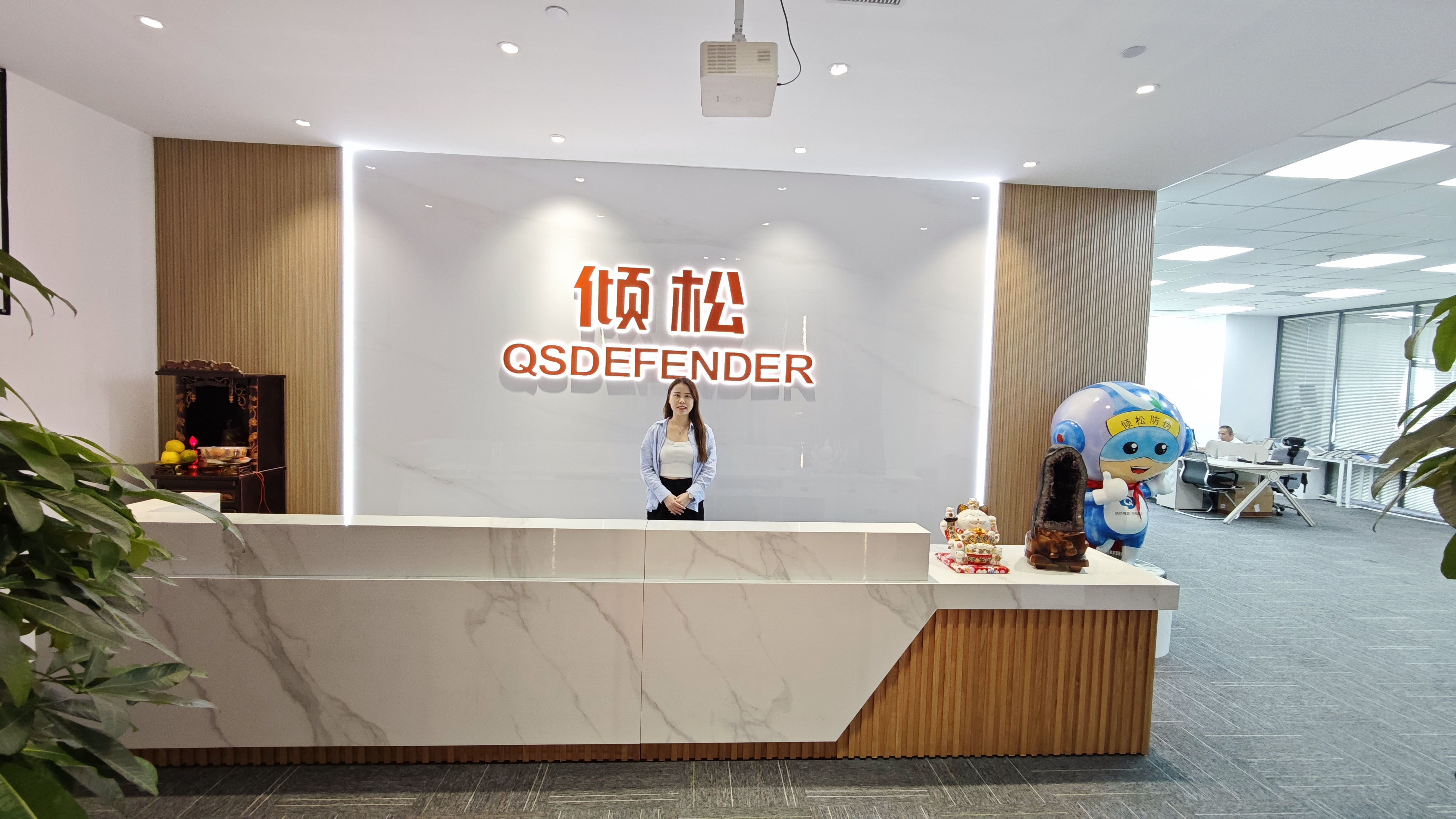
- Over 20-year innovative journey of Qs Defender, a provider of brand protection solutions, in the field of custom anti-counterfeiting labels. From the early physical anti-counterfeiting to the mid-stage digital information anti-counterfeiting, and the intelligent trust ecosystem anti-counterfeiting based on the Internet of Things, each technological leap of Qs Defender has precisely responded to the core trust challenges faced by independent website brands at different development stages.
When e-commerce was not so developed, the trust in the authenticity of a bottle of wine or a cosmetic product was based on the counters and invoices in department stores. However, with the rise of the independent website model, the traditional "credit intermediary" between brands and consumers has been lost, and trust must be directly established through the products themselves and digital experiences. In this historic transformation, the anti-counterfeiting label - this tiny identifier attached to the product - has undergone a complete change in its role and connotation.
Chapter One: The Visual Age (2007-2011) : Establishing the First Line of Defense with "Difficult to Imitate"
During the nascent stage of independent websites, brands were confronted with shoddily made counterfeits. The core demand at that time was simple and straightforward: to enable consumers to tell at a glance or verify the authenticity through simple means. The first-generation anti-counterfeiting solution of Qs Defender focuses on the peak of "physical visual anti-counterfeiting".
1· Core Technologies and products:
· Holographic laser label: By applying the principle of laser interference, it creates a holographic film with a three-dimensional dynamic effect and patterns that change with angles. This technology had extremely high requirements for equipment and processes, and became an effective physical barrier to prevent small workshops from counterfeiting at that time.
2· Special inks and printing processes:
Introducing temperature-sensitive inks (which change color when touched by fingers), ultraviolet fluorescent inks (revealing invisible patterns under ultraviolet light), water-vanishing inks, and precision embossing printing, etc. These technologies directly integrate anti-counterfeiting features into the printing itself.
3· Physically destructive labels:
For instance, when "VOID" is removed from the retained material, once the label is attached and attempted to be torn off, obvious "VOID" damage marks will be left, preventing the label from being transferred and reused.
4· Historical Value and Limitations:
This generation of technology has accomplished the mission of "setting a threshold" with excellence, educating the market that anti-counterfeiting comes at a cost. For early independent website brands, a delicate holographic anti-counterfeiting label is itself a declaration of quality. However, its limitations soon emerged: although these features were difficult to imitate, they were not impossible to imitate. With the popularization of high-precision scanning and printing technologies, it has become possible to "copy" high-end anti-counterfeiting labels. At the same time, verification relies on consumers' subjective judgment or specific tools (such as ultraviolet lamps), lacking authoritative "yes or no" decisions.
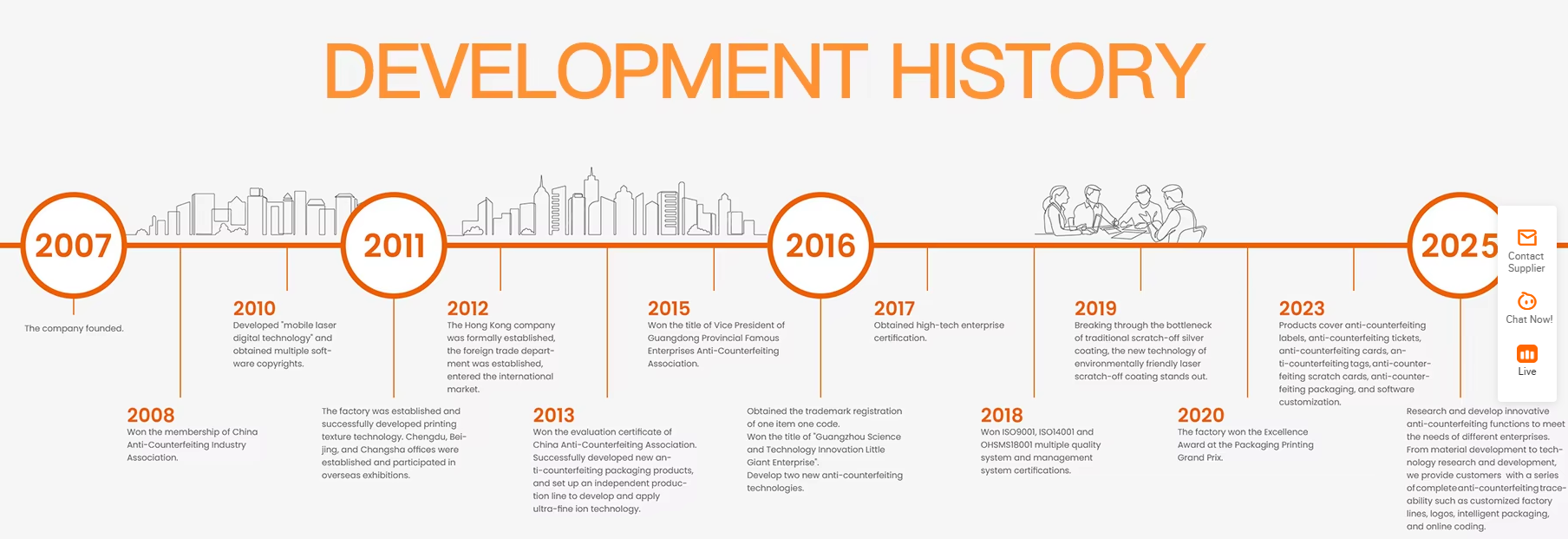
Chapter Two: The Digital Age (2011-2016) : Activating Data Connections with "One Item, One Code"
With the popularization of mobile Internet and the increasing emphasis placed by independent website brands on user data assets, the demand for anti-counterfeiting has expanded from "preventing counterfeiting" to "connecting users". Qs Defender keenly seized this turning point and pushed anti-counterfeiting technology into the "digital information anti-counterfeiting" stage.
1· Core Technologies and products:
· Variable QR code/digital code system: Endows each product with a unique digital identity. After consumers scan the code, they no longer merely see the static "Genuine product" prompt, but are redirected to the official verification page controlled by the brand.
2· Cloud-based verification platform:
The time, location, and device information of each query are all recorded. The first query immediately locks the product as genuine. Subsequent queries will issue a warning of "suspected counterfeit", fundamentally solving the problem of anti-counterfeiting features being mass-replicated.
3· Marketing function integration:
The verification page becomes the first digital touchpoint between the brand and consumers. Qs Defender deeply integrates anti-counterfeiting verification with content modules such as member registration, points rewards, coupon distribution, and storytelling, transforming anti-counterfeiting from a "cost center" to a "marketing entry point".
4· Historical Value and Leap:
This is a revolutionary step. Anti-counterfeiting labels have changed from physical to digital, and from isolated to connected. It brings unprecedented value to independent website brands: not only can it effectively combat counterfeits, but it can also accumulate real consumption data and achieve precise user operation. During this period, Qs Defender helped a large number of new consumer brands complete the initial accumulation of private domain traffic. However, the carrier of digital codes (usually printed QR codes) itself still faces the risk of being copied or tampered with, and cannot be deeply bound to the physical circulation process of products (such as warehousing and logistics).
Chapter Three: The Era of Intelligent Internet of Things (2016 to Present) : Building a Trust Ecosystem with "Physical and Digital Dual Cores"
When brands venture into broader global markets, confronted with complex cross-border supply chains and highly organized counterfeiting networks, static digital codes have become increasingly ineffective. What an independent website brand needs is a trust system that runs through the entire product life cycle, is inseparable, and can empower business decisions. The anti-counterfeiting technology of Qs Defender thus enters its third generation - "Intelligent Trust Ecosystem Anti-counterfeiting".
1· Core Technologies and products:
· RFID/NFC chip tag: A microchip is implanted into the tag to provide a globally unique and unalterable hardware ID. This has achieved a "physical + digital" dual-core encryption of anti-counterfeiting technology, and the cost of counterfeiting has risen exponentially.
2· Full-chain traceability and status management:
Chips can be quickly and batch-read at production, warehousing, outbound, distribution and other links, automatically recording the flow of products, achieving supply chain transparency and cross-selling control. Anti-counterfeiting is integrated with quality control, logistics and channel management.
3· Dynamic interaction and data intelligence:
Based on the NFC function of the chip, the consumer experience is more convenient. Verification can be done simply by "touching". More importantly, Qs Defender has built a back-end data middle platform, integrating anti-counterfeiting verification data, supply chain flow data and user behavior data, providing brands with in-depth insights such as "counterfeiting risk maps", "channel health analysis" and "user trust index".
4· Historical Value and Future Outlook:
At this point, anti-counterfeiting labels have evolved into an "intelligent trust anchor point". It is not only the ID card of the product, but also its active embodiment in the digital world. It helps brands build a closed-loop trust ecosystem from the factory to the fingertips. For independent websites that pursue long-term brand value, this has become a core component of their digital infrastructure.
Conclusion: Historical enlightenment - The essence of anti-counterfeiting is a ritual and infrastructure of trust
Looking back on the 20-year anti-counterfeiting journey of Qs Defender, we can see a clear main thread: the technology has been constantly evolving, but the core has always revolved around the mission of "building the shortest and most solid trust bridge between the brand and consumers".
In its early days, it created a "sense of ritual of trust" through complex processes. In the medium term, it creates "interactivity of trust" through digital connections; Nowadays, it builds the "cornerstone of trust" through an intelligent ecosystem. For independent website operators, the value of understanding this history lies in the fact that choosing an anti-counterfeiting solution is no longer about selecting an isolated technology or cost, but rather choosing a trust strategy that matches the brand's development stage.
Looking ahead, with the integration of technologies such as blockchain and AI image recognition, anti-counterfeiting will become more intangible, intelligent and deeply embedded in products. However, no matter how technology evolves, the philosophy that Qs Defender adheres to remains consistent: True anti-counterfeiting does not lie in making it completely impossible for counterfeiters to imitate, but in making the cost of imitation far exceed the benefits, while making the verification process another transmission of brand value. This is precisely the key for independent website brands to survive the fierce competition and win lasting trust.
---
Qs Defender's "Intelligent Trust Ecosystem" anti-counterfeiting solution, which embodies ten years of technological innovation and industry insight, continuously provides future-oriented trust infrastructure services for global independent website brands.